-
 2026-08-19 Post
Green grid, cool tech
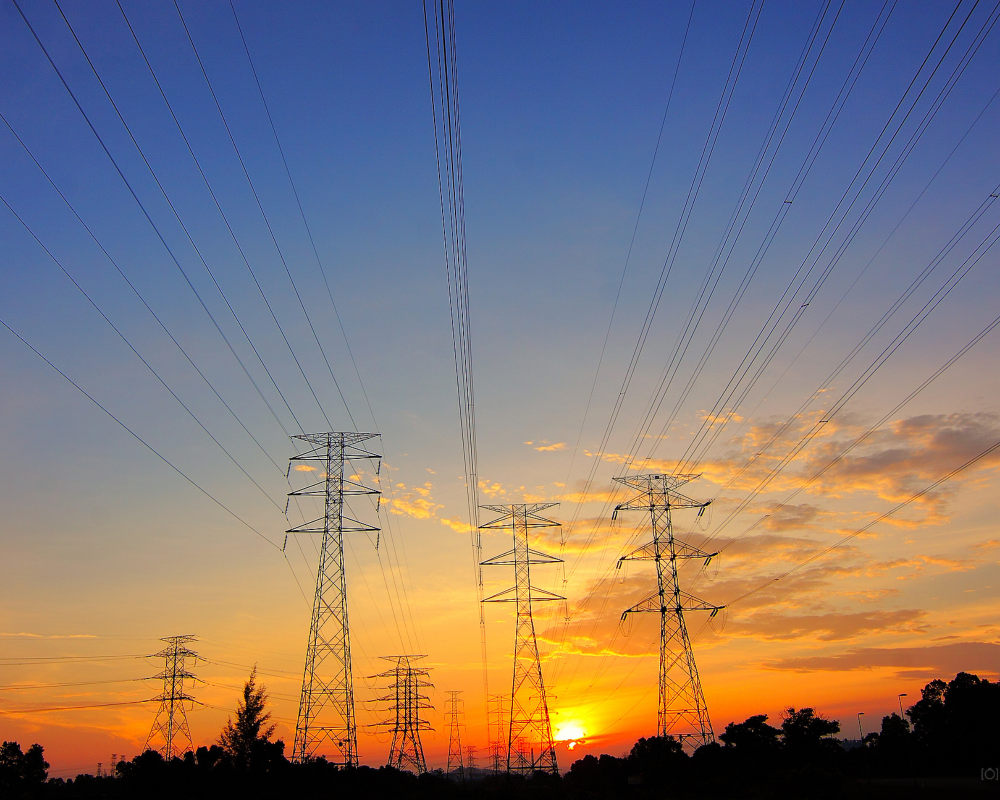
How renewable energy, advanced cooling and water stewardship can support the next generation of data centres Global demand for data centres is rising rapidly as artificial intelligence (AI), cloud services and the wider digital economy require more computing capacity. The sector now has to build larger, more advanced, and energy-efficient digital infrastructure. Meeting this demand requires operators to manage scarce resources such as power and water carefully, while leveraging new technology in the design and maintenance of these critical assets. Tapping cleaner energy Data centres require a steady and reliable supply of power to operate around the clock. According to the International Energy Agency, data centres accounted for approximately 1.5% of global electricity consumption in 2024 -- a figure projected to double by 2030 as AI adoption accelerates. This trajectory has alerted operators and policymakers to the sustainability challenges of scaling digital infrastructures. In Malaysia, the government has introduced the Corporate Renewable Energy Supply Scheme (CRESS), which enables companies to procure renewable electricity directly from green energy developers. Under CRESS, developers utilise the existing national grid infrastructure to deliver power to corporate facilities, including data centres. CRESS not only reduces the need for dedicated private transmission lines, but also provides data centres with easier access to cleaner energy such as solar power, through long-term power purchase agreements with local renewable utility providers. Reliable backup power Backup power is critical to data centre resilience. If the grid is disrupted, generators and energy-storage systems must respond quickly and reliably to keep digital services running. Hydrotreated Vegetable Oil (HVO) has emerged as a low-carbon alternative to conventional diesel for data-centre backup power Produced entirely from waste-based feedstock such as recycled cooking oils and animal fats, HVO can significantly reduce greenhouse gas emissions by up to 90% compared to diesel without requiring modifications to… -
 2026-04-21 Post
Powering Singapore’s Digital Economy
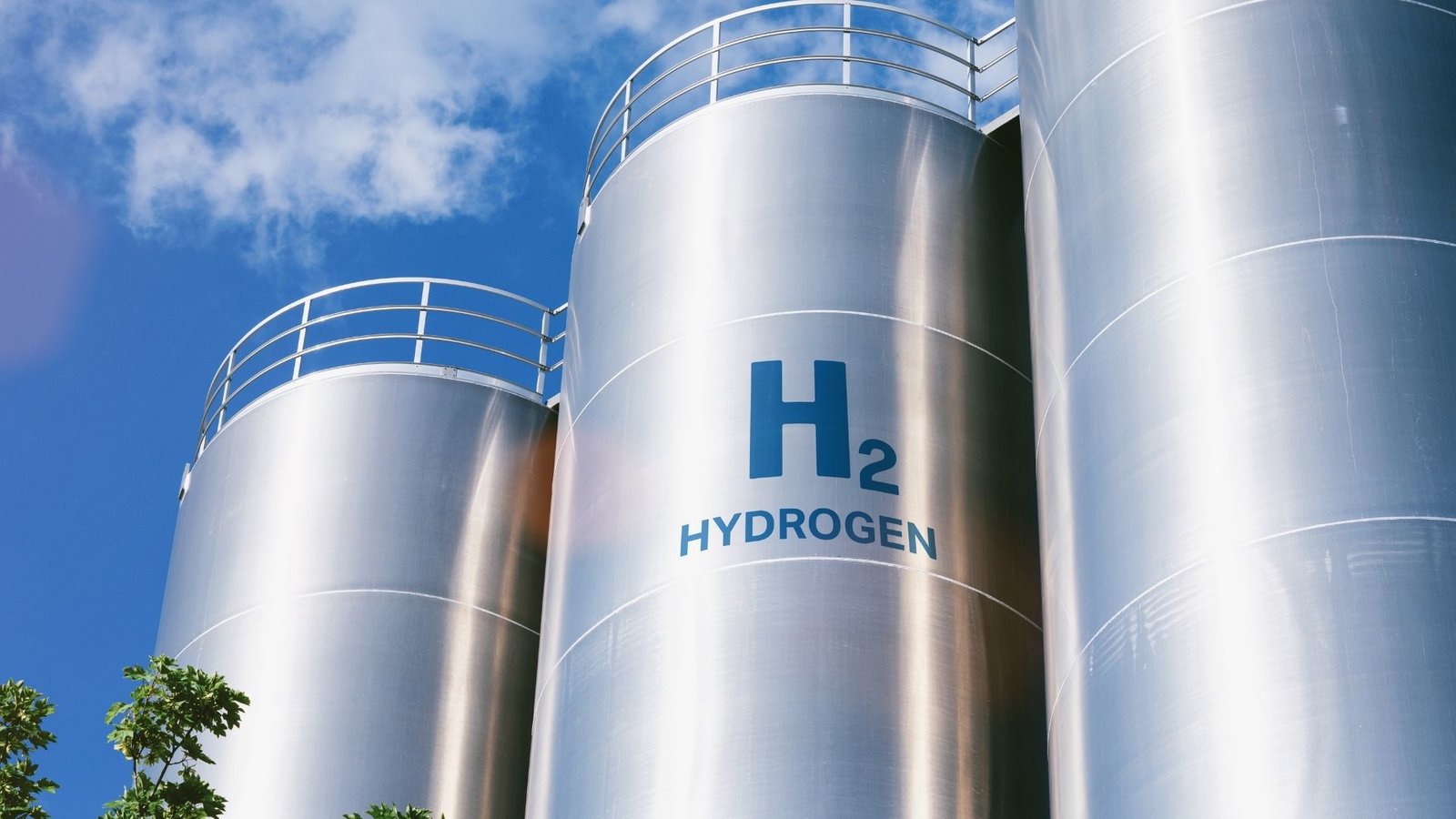
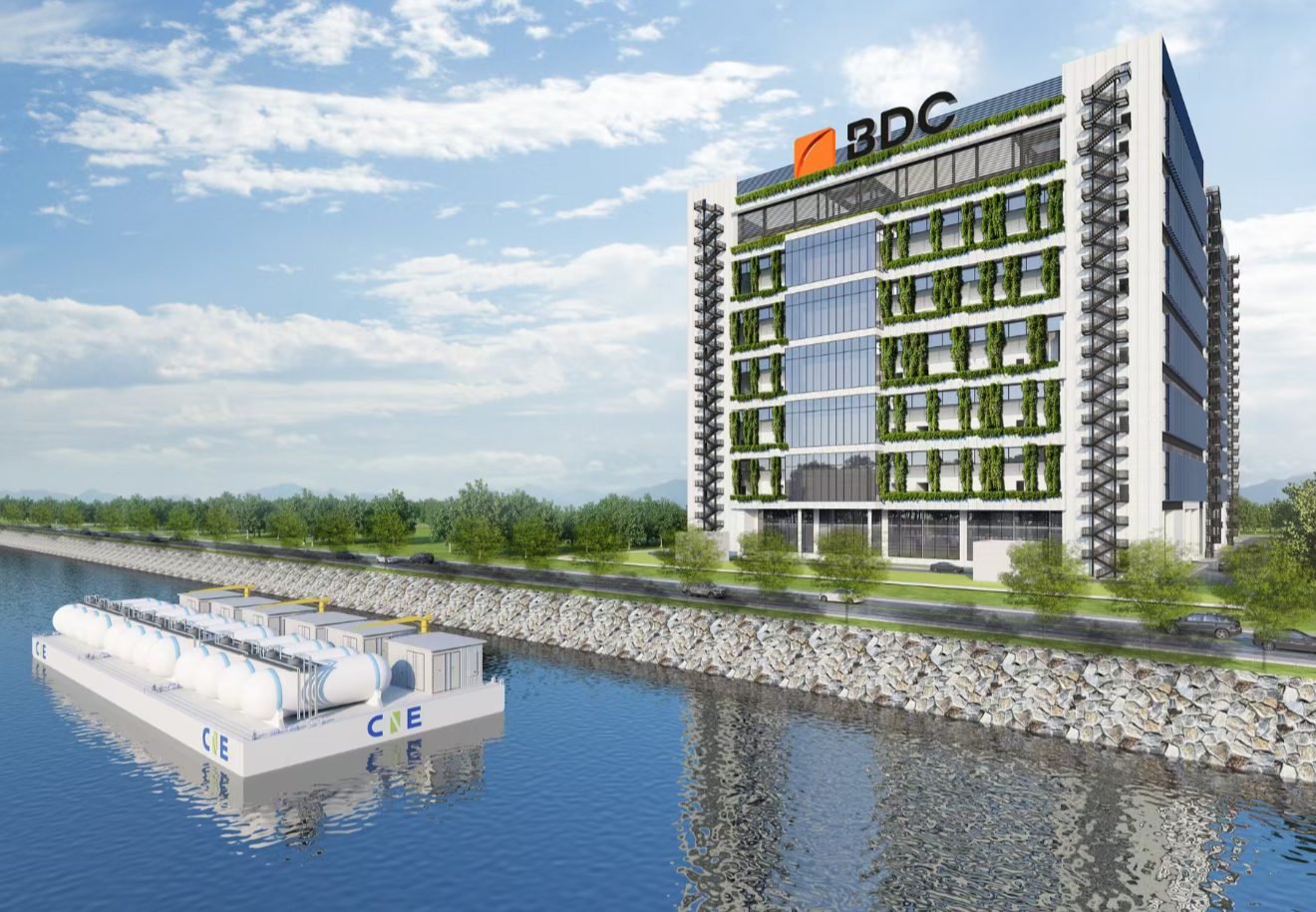
Offshore hydrogen power generation could support the next phase of digital growth in Singapore and beyond. As AI adoption accelerates across Asia Pacific, demand for more advanced digital infrastructure is rising alongside the energy required to power it. For the region’s data centre operators, securing a sustainable and reliable power supply is a long-term strategic priority. This challenge is particularly acute in Singapore, where digital infrastructure demand continues to surge amid land constraints and tightly managed energy resources. Hydrogen and Singapore’s energy transition To support Singapore’s long-term energy security and decarbonisation goals, the government has identified low-carbon hydrogen and its derivatives as a key potential pathway under its National Hydrogen Strategy. Hydrogen is widely regarded as a promising low-carbon alternative to traditional fossil fuels and is gaining traction globally as governments and industries seek cleaner energy pathways. According to the Energy Market Authority, hydrogen could potentially meet up to 50% of Singapore’s power needs by 2050 and has the potential to be adopted across different sectors as a low-carbon fuel or feedstock. As Singapore advances its hydrogen ambitions, the focus will increasingly shift from policy and research towards developing practical deployment models that can support real-world adoption at scale. Pioneering innovative hydrogen solutions Amidst this backdrop, Bridge Data Centres (BDC) is at the forefront of exploring how hydrogen can support the future of AI-ready digital infrastructure. BDC has partnered with Concord New Energy (CNE) to jointly develop Singapore’s first floating hydrogen power generation solution tailored for next-generation AI data centres. The collaboration combines BDC’s expertise in hyperscale data centre development and operations with CNE’s technical capabilities in renewable and hydrogen energy systems. The initiative reflects BDC’s broader commitment to exploring scalable low-carbon energy pathways that can support long-term digital infrastructure resilience in land- and energy-constrained markets such as Singapore. Bridge Data Centres and Concord… -
 2026-03-02 Press Release
Bridge Data Centres and Concord New Energy to Develop Singapore’s Fi...
Singapore – Bridge Data Centres (BDC) and Concord New Energy (CNE) have signed a Memorandum of Understanding (MOU) to jointly develop Singapore’s first barge-based hydrogen power generation solution tailored for next-generation AI digital infrastructure, marking a significant milestone in advancing low-carbon energy pathways for the data centre sector. The partnership represents a strategic step in BDC’s long-term roadmap to diversify power sourcing pathways, enhance energy security, and future-proof its Singapore data centre portfolio amid evolving grid constraints and decarbonisation dynamics. The collaboration brings together BDC’s extensive expertise in developing and operating hyperscale data centres across Asia Pacific and CNE’s technical leadership in renewable and hydrogen energy systems. The parties will also collaborate with Nanyang Technological University (NTU), one of the world’s top universities, to support the development of Singapore’s hydrogen ecosystem Together, the parties will accelerate the research, engineering, and deployment of scalable clean energy solutions across the value chain. Integrated Renewable and Hydrogen Pathways Under the MOU, the parties will explore advanced power system architectures and generation configurations designed to enhance the resilience and reliability of AI-ready data centre campuses. A key focus of the collaboration is the development of Singapore’s first barge-based hydrogen power generation model — an innovative marine-integrated deployment approach designed to deliver flexible and modular clean power capacity. Compared to conventional land-based generation assets, a barge-based configuration offers structural advantages particularly suited to Singapore’s operating environment, including optimisation of scarce land resources through offshore or nearshore deployment, enhanced safety risk segregation between hydrogen handling infrastructure and core data centre operations, and greater flexibility in hydrogen transport and storage leveraging Singapore’s maritime ecosystem. In parallel, the parties will develop scalable hydrogen supply chain frameworks covering storage, transport, and system integration to support high-density, AI-driven digital infrastructure. The alliance will also assess customised long-term power procurement structures,…